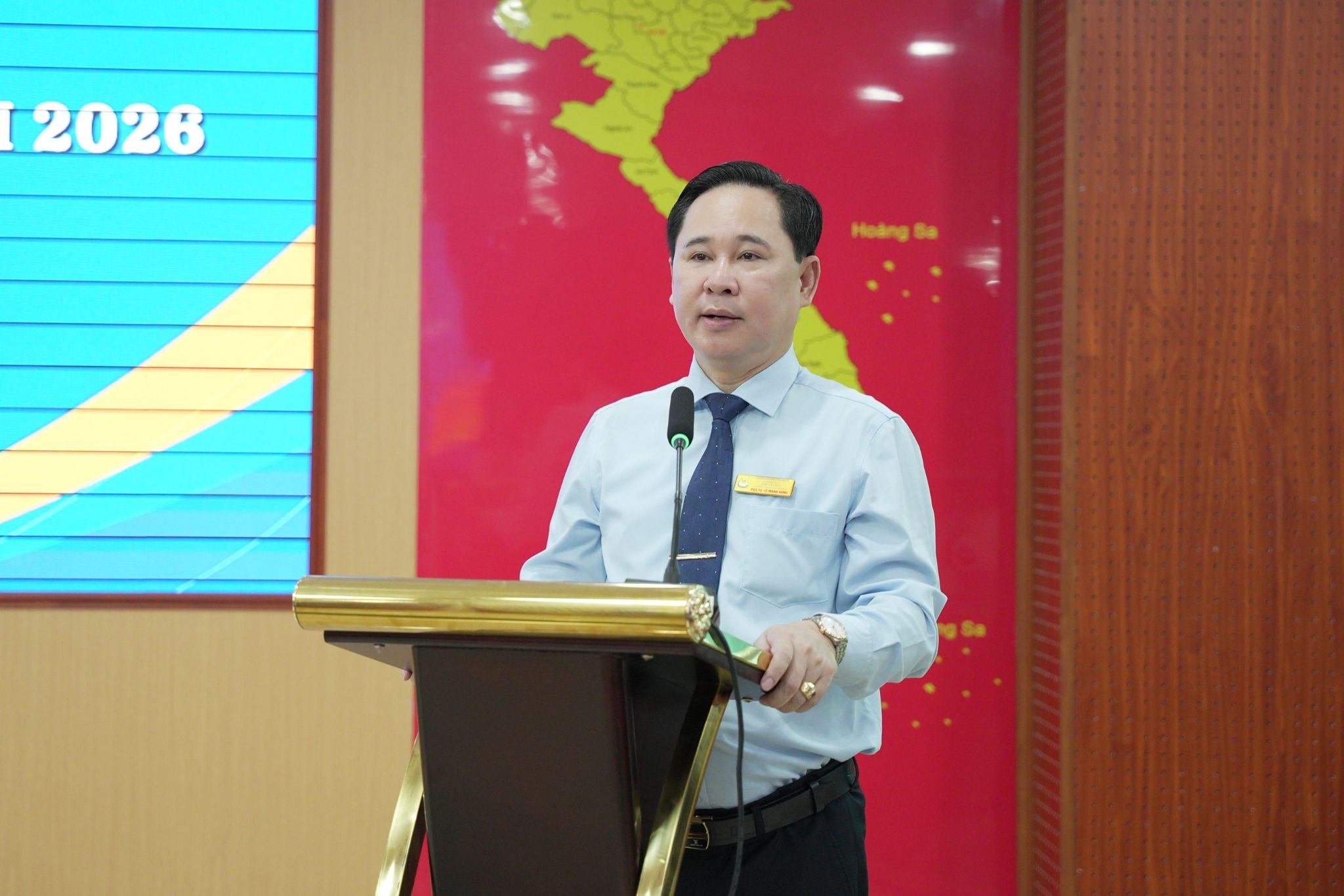
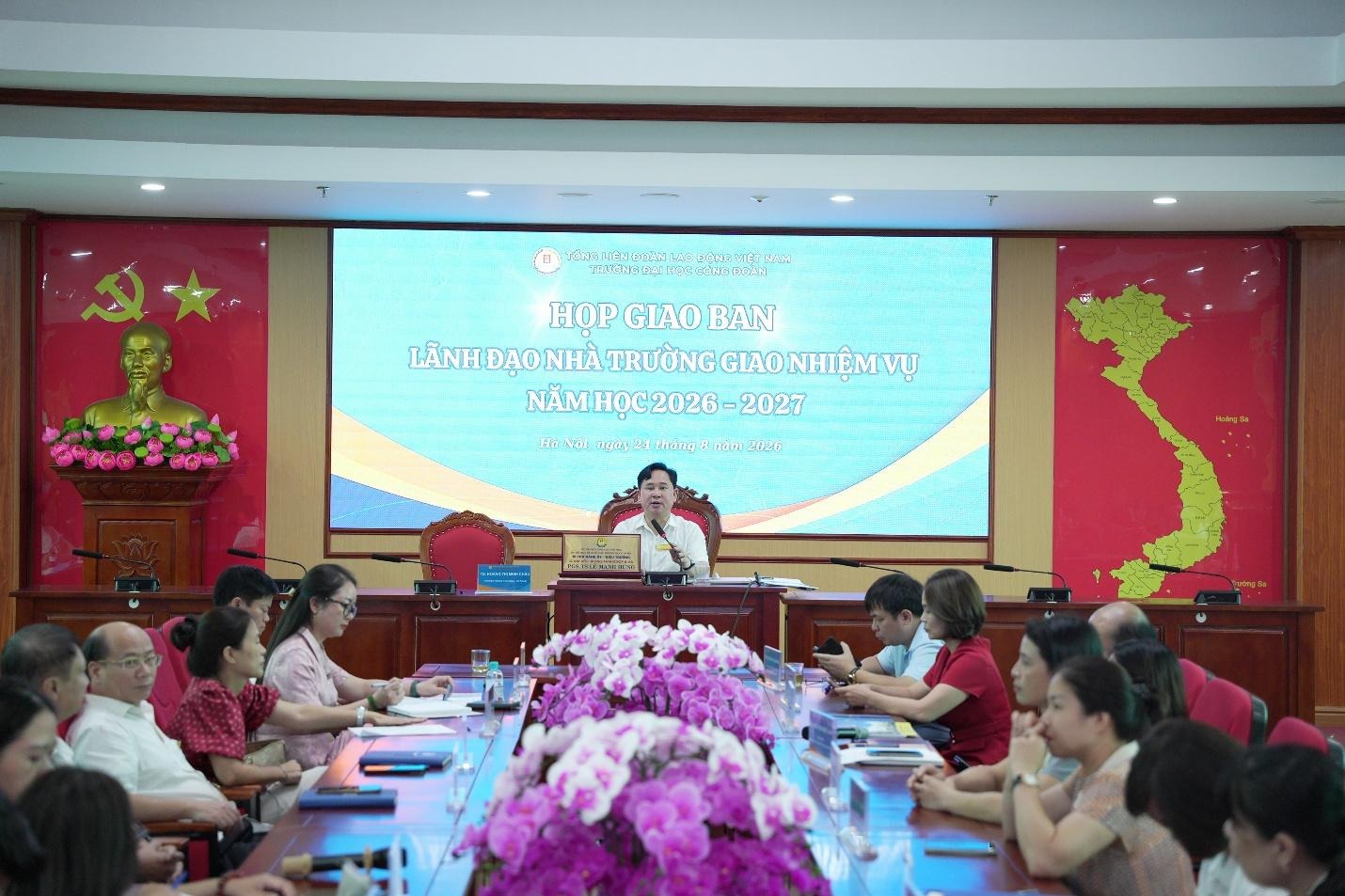
Ngày 30/6/2026, Đảng uỷ Trường Đại học Công đoàn tổ chức điểm cầu tiếp sóng Hội nghị toàn quốc học tập, quán triệt Nghị quyết số 10-NQ/TW ngày 08/6/2026 của Bộ Chính trị về phát triển kinh tế có vốn đầu tư nước ngoài. Đồng chí PGS. TS. Lê Mạnh Hùng – Uỷ viên BCH Đảng bộ các trường Đại học, Cao đẳng Hà Nội, Bí thư Đảng uỷ, Hiệu trưởng đã chủ trì điểm cầu tại Trường.

Đồng chí PGS. TS. Lê Mạnh Hùng – Uỷ viên BCH Đảng bộ các trường Đại học, Cao đẳng Hà Nội, Bí thư Đảng uỷ, Hiệu trưởng chủ trì điểm cầu tại Trường
Với sự tham gia của 82 cán bộ chủ chốt của Trường (BCH Đảng bộ, Ban Giám hiệu, người đứng đầu tổ chức chính trị - xã hội Trường, Bí thư các chi bộ và cấp Trưởng, phó các đơn vị) và nhiều điểm cầu tổ chức tại các đơn vị trong toàn Đảng bộ, cán bộ đảng viên Trường Đại học Công đoàn đã học tập nghiêm túc, tiếp thu đầy đủ các nội dung của Nghị quyết.
Kết thúc điểm cầu, đồng chí Lê Mạnh Hùng – Uỷ viên BCH Đảng bộ các trường Đại học, Cao đẳng Hà Nội, Bí thư Đảng uỷ, Hiệu trưởng đã quán triệt toàn bộ hệ thống chính trị của Trường tiếp tục nghiên cứu, quán triệt Nghị quyết số 10-NQ/TW của Bộ Chính trị về phát triển kinh tế có vốn đầu tư nước ngoài trong các kỳ sinh hoạt chi bộ, sinh hoạt của đơn vị; đồng thời vận dụng phù hợp vào vị trí công tác của mỗi người và công việc chuyên môn.
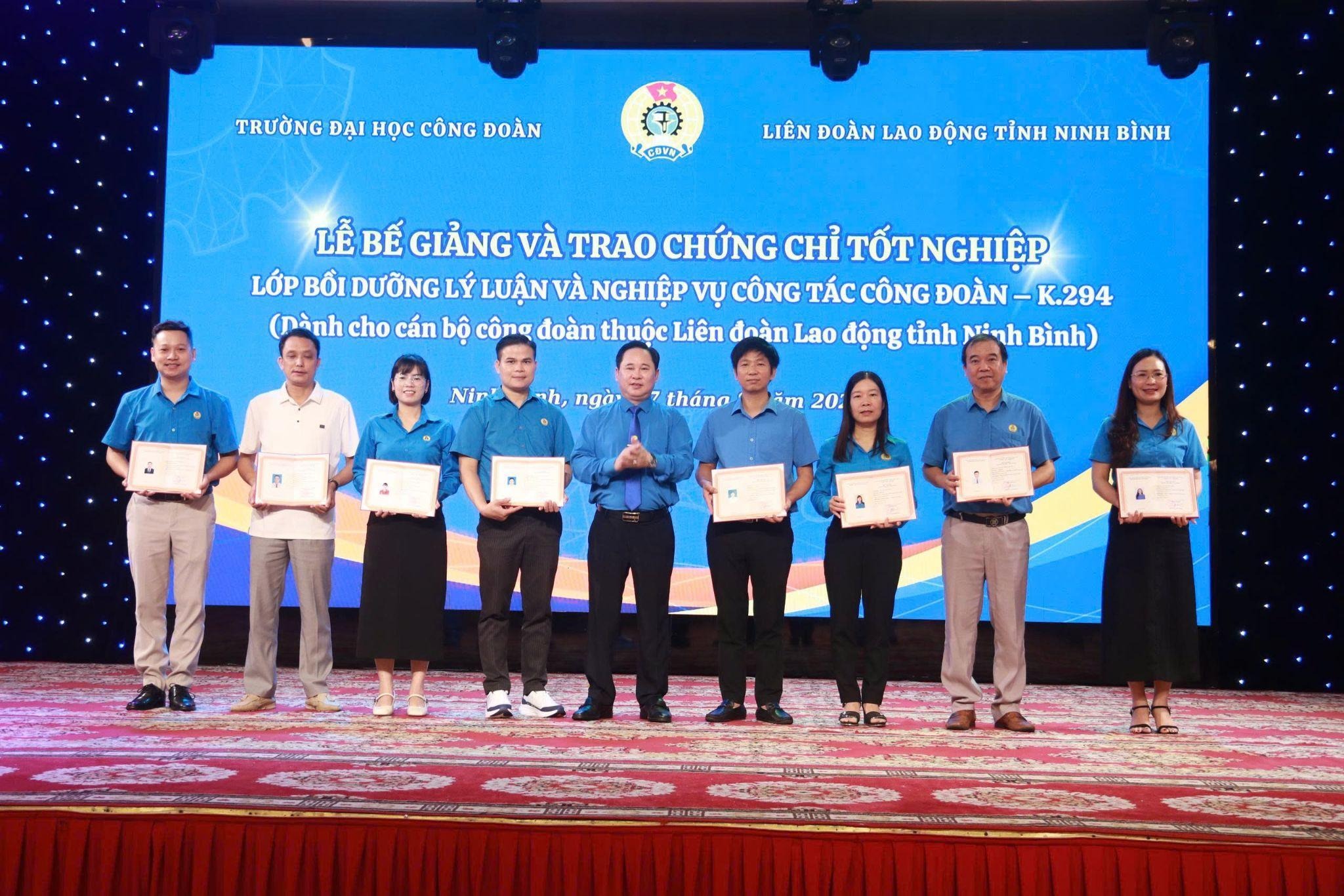
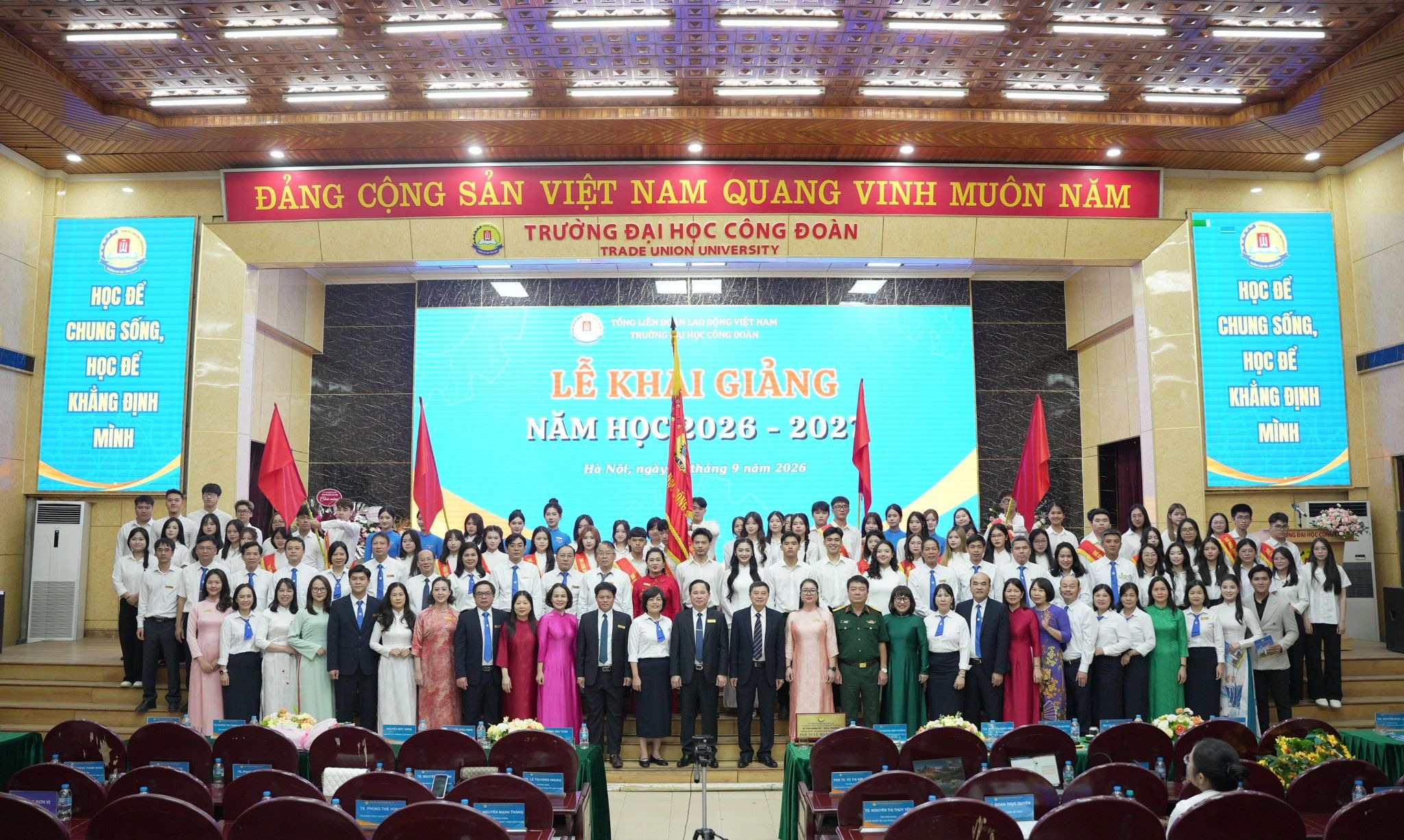
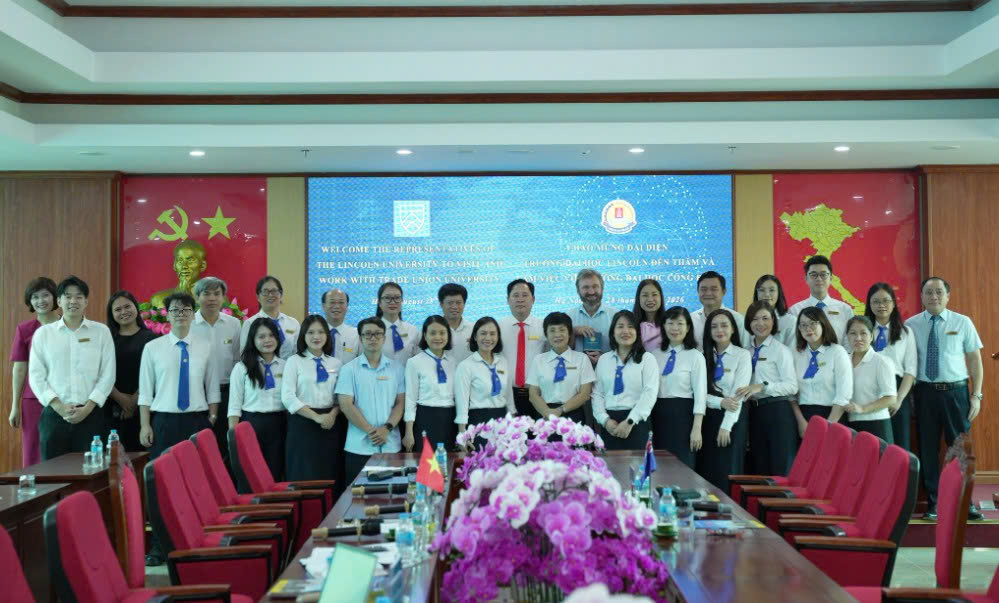
Một số hình ảnh điểm cầu tại Trường Đại học Công đoàn:


Những nội dung cơ bản của Nghị quyết số 10-NQ/TW
Ngày 8/6/2026, Bộ Chính trị ban hành Nghị quyết số 10-NQ/TW về phát triển kinh tế có vốn đầu tư nước ngoài, mở ra một giai đoạn phát triển mới trong tư duy và định hướng thu hút, quản lý, sử dụng hiệu quả các nguồn lực quốc tế. Không chỉ kế thừa những thành tựu của gần 40 năm thu hút đầu tư nước ngoài, Nghị quyết còn đánh dấu bước chuyển quan trọng từ tư duy "thu hút vốn" sang "phát triển kinh tế có vốn đầu tư nước ngoài", coi khu vực này là một bộ phận hữu cơ của nền kinh tế, góp phần xây dựng nền kinh tế độc lập, tự chủ gắn với hội nhập quốc tế sâu rộng.
Nghị quyết số 10-NQ/TW: Bước chuyển chiến lược trong phát triển kinh tế có vốn đầu tư nước ngoài
Từ thành tựu gần 40 năm đổi mới đến yêu cầu phát triển mới
Trong gần bốn thập kỷ thực hiện đường lối đổi mới, chủ trương mở cửa và thu hút đầu tư nước ngoài của Đảng đã mang lại những kết quả to lớn. Việt Nam đã thu hút hơn 549 tỷ USD vốn đăng ký với trên 46.000 dự án còn hiệu lực, trở thành điểm đến hấp dẫn của các nhà đầu tư quốc tế. Khu vực kinh tế có vốn đầu tư nước ngoài đã đóng góp quan trọng vào tăng trưởng kinh tế, thúc đẩy công nghiệp hóa, hiện đại hóa, mở rộng xuất khẩu, tạo việc làm, nâng cao trình độ quản trị doanh nghiệp và tăng cường vị thế của Việt Nam trên trường quốc tế.
Tuy nhiên, thực tiễn cũng cho thấy mô hình phát triển hiện nay đã bộc lộ những hạn chế nhất định. Chất lượng và sức lan tỏa của một số dự án FDI còn thấp; liên kết giữa doanh nghiệp có vốn đầu tư nước ngoài với doanh nghiệp trong nước chưa chặt chẽ; chuyển giao công nghệ, phát triển công nghiệp hỗ trợ và đổi mới sáng tạo chưa tương xứng với tiềm năng. Trong khi đó, bối cảnh thế giới đang thay đổi nhanh chóng dưới tác động của cuộc Cách mạng công nghiệp lần thứ tư, sự phát triển của trí tuệ nhân tạo, chuyển đổi số, chuyển đổi xanh, cùng quá trình tái cấu trúc chuỗi cung ứng và dòng vốn toàn cầu.
Trước những yêu cầu mới đó, Bộ Chính trị đã ban hành Nghị quyết số 10-NQ/TW nhằm định hướng phát triển kinh tế có vốn đầu tư nước ngoài theo hướng chất lượng, hiệu quả và bền vững hơn. Đây không chỉ là sự điều chỉnh chính sách thu hút đầu tư mà còn là bước phát triển mới trong tư duy chiến lược của Đảng đối với khu vực kinh tế có vốn đầu tư nước ngoài.
Sáu chuyển đổi lớn trong tư duy phát triển
Điểm nổi bật của Nghị quyết là xác lập sáu chuyển đổi lớn về tư duy phát triển.
Trước hết, chuyển từ tư duy thu hút đầu tư nước ngoài sang phát triển kinh tế có vốn đầu tư nước ngoài. Theo đó, khu vực này được nhìn nhận toàn diện hơn, bao gồm cả đầu tư trực tiếp, đầu tư gián tiếp, thị trường vốn và các thiết chế tài chính quốc tế, phát triển hài hòa với khu vực kinh tế trong nước.
Thứ hai, chuyển từ coi trọng quy mô vốn sang chú trọng chất lượng, hiệu quả và giá trị gia tăng. Mục tiêu không còn là thu hút nhiều dự án mà là lựa chọn những dự án có công nghệ tiên tiến, quản trị hiện đại, đổi mới sáng tạo và có khả năng lan tỏa mạnh mẽ đối với nền kinh tế.
Thứ ba, chuyển từ ưu đãi theo đầu vào sang ưu đãi theo kết quả, gắn các chính sách hỗ trợ với việc thực hiện cam kết về chuyển giao công nghệ, nghiên cứu và phát triển, đào tạo nhân lực, phát triển bền vững và liên kết với doanh nghiệp trong nước.
Thứ tư, chuyển từ phát triển FDI đơn lẻ sang phát triển đồng bộ hệ sinh thái các dòng vốn quốc tế, kết nối đầu tư trực tiếp, đầu tư gián tiếp, thị trường vốn, trung tâm tài chính quốc tế, khu thương mại tự do và các không gian phát triển mới.
Thứ năm, chuyển từ quản lý đầu tư sang kiến tạo môi trường đầu tư, trong đó Nhà nước tập trung hoàn thiện thể chế, phát triển hạ tầng, nguồn nhân lực và hệ sinh thái đổi mới sáng tạo để tạo điều kiện thuận lợi cho mọi nguồn lực phát triển.
Thứ sáu, chuyển từ cạnh tranh thu hút đầu tư giữa các địa phương sang điều phối phát triển ở tầm quốc gia, tăng cường liên kết vùng, phát huy vai trò của các cực tăng trưởng, trung tâm tài chính và trung tâm đổi mới sáng tạo.
Những chuyển đổi này thể hiện quyết tâm nâng tầm chất lượng phát triển, lấy hiệu quả, công nghệ và sức lan tỏa làm thước đo thay cho việc chỉ đánh giá bằng quy mô vốn hay số lượng dự án.
Mục tiêu đến năm 2030 và tầm nhìn 2045
Nghị quyết xác định mục tiêu đến năm 2030 đưa Việt Nam trở thành điểm đến có sức cạnh tranh hàng đầu trong thu hút nguồn vốn đầu tư nước ngoài trung và dài hạn chất lượng cao.
Theo đó, Việt Nam phấn đấu thu hút từ 200–300 tỷ USD vốn FDI đăng ký, trong đó vốn thực hiện đạt từ 150–200 tỷ USD; khoảng 70–75% vốn đăng ký mới đến từ các nền kinh tế phát triển; trên 50% vốn đầu tư tập trung vào các lĩnh vực công nghệ cao, đổi mới sáng tạo và chuyển đổi số. Đồng thời, có khoảng 10.000 doanh nghiệp Việt Nam tham gia chuỗi cung ứng của doanh nghiệp có vốn đầu tư nước ngoài; thị trường chứng khoán được nâng hạng lên thị trường mới nổi trước năm 2030.
Tầm nhìn đến năm 2045, Việt Nam hướng tới trở thành điểm đến hàng đầu của các dòng vốn quốc tế chất lượng cao, là trung tâm sản xuất, dịch vụ, đổi mới sáng tạo và điều hành khu vực của nhiều tập đoàn đa quốc gia. Khu vực kinh tế có vốn đầu tư nước ngoài sẽ đóng góp khoảng 30% GDP và chiếm khoảng 25% tổng vốn đầu tư toàn xã hội, góp phần nâng cao vị thế của Việt Nam trong chuỗi giá trị toàn cầu.
Bảy nhóm nhiệm vụ, giải pháp trọng tâm
Để hiện thực hóa các mục tiêu trên, Nghị quyết đề ra bảy nhóm nhiệm vụ, giải pháp mang tính đột phá.
Trước hết là đổi mới nhận thức và thống nhất tư duy trong toàn hệ thống chính trị về phát triển kinh tế có vốn đầu tư nước ngoài, chuyển mạnh từ tư duy quản lý sang tư duy kiến tạo phát triển.
Tiếp đó là hoàn thiện thể chế, xây dựng môi trường đầu tư minh bạch, ổn định và có sức cạnh tranh quốc tế; đổi mới chính sách ưu đãi theo hướng gắn với hiệu quả thực hiện cam kết của nhà đầu tư.
Nghị quyết cũng nhấn mạnh yêu cầu phát triển đồng bộ nguồn nhân lực chất lượng cao và kết cấu hạ tầng hiện đại, đặc biệt là hạ tầng giao thông, logistics, năng lượng, hạ tầng số và dữ liệu.
Một nhiệm vụ quan trọng khác là định hướng thu hút đầu tư thế hệ mới vào các lĩnh vực như trí tuệ nhân tạo, bán dẫn, nghiên cứu và phát triển, đổi mới sáng tạo, chuyển đổi số, chuyển đổi xanh và các ngành có giá trị gia tăng cao.
Song song với đó là nâng cao hiệu quả lan tỏa của khu vực FDI thông qua thúc đẩy liên kết với doanh nghiệp trong nước, phát triển công nghiệp hỗ trợ, hệ sinh thái đổi mới sáng tạo và kinh tế tuần hoàn.
Nghị quyết cũng đặt mục tiêu phát triển đồng bộ đầu tư gián tiếp nước ngoài, thị trường vốn và các trung tâm tài chính quốc tế nhằm đa dạng hóa kênh huy động nguồn lực.
Cuối cùng là nâng cao hiệu lực, hiệu quả quản lý nhà nước; tăng cường điều phối ở tầm quốc gia; đẩy mạnh chuyển đổi số trong quản lý đầu tư và nâng cao năng lực dự báo, giám sát.
Tạo động lực mới cho tăng trưởng bền vững
Có thể khẳng định, Nghị quyết số 10-NQ/TW không chỉ là định hướng mới về thu hút đầu tư nước ngoài mà còn là chiến lược phát triển nền kinh tế trong bối cảnh hội nhập quốc tế ngày càng sâu rộng. Tinh thần xuyên suốt của Nghị quyết là chuyển từ mục tiêu thu hút nhiều vốn sang phát huy hiệu quả các dòng vốn quốc tế để cùng với nội lực của đất nước kiến tạo những năng lực phát triển mới.
Việc triển khai hiệu quả Nghị quyết sẽ góp phần nâng cao chất lượng tăng trưởng, thúc đẩy đổi mới sáng tạo, phát triển khoa học và công nghệ, tăng cường liên kết giữa doanh nghiệp trong nước với doanh nghiệp có vốn đầu tư nước ngoài, qua đó nâng cao năng lực cạnh tranh và khả năng tự chủ của nền kinh tế.
Trong bối cảnh cạnh tranh toàn cầu ngày càng gay gắt, Nghị quyết số 10-NQ/TW được kỳ vọng sẽ tạo nền tảng để Việt Nam thu hút hiệu quả các dòng vốn đầu tư chất lượng cao, tận dụng cơ hội từ quá trình dịch chuyển chuỗi cung ứng quốc tế, thúc đẩy tăng trưởng nhanh và bền vững, hiện thực hóa mục tiêu đưa đất nước phát triển giàu mạnh, hùng cường vào năm 2045.
ThS. Trần Mạnh Cương – Chuyên viên Văn phòng Đảng – Đoàn thể